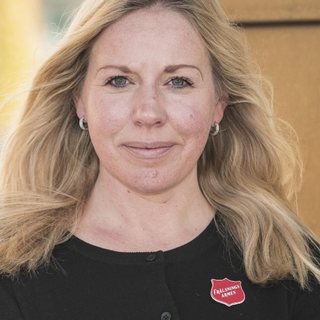
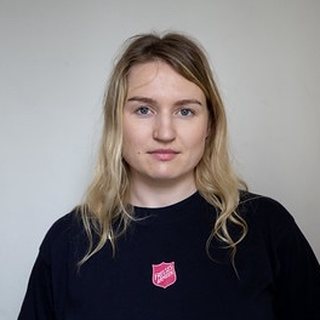
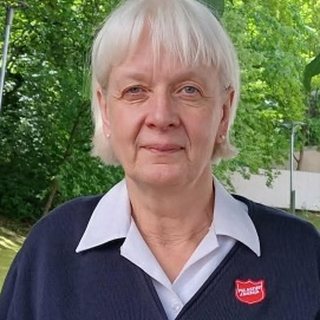
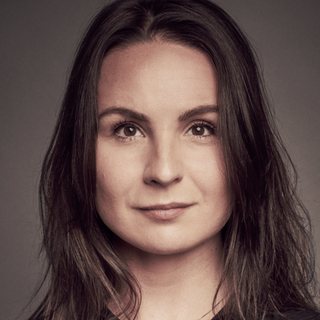
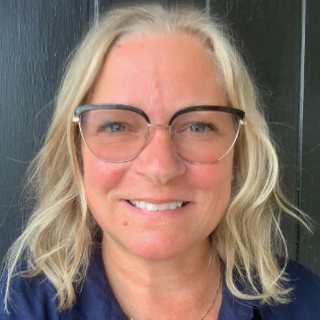
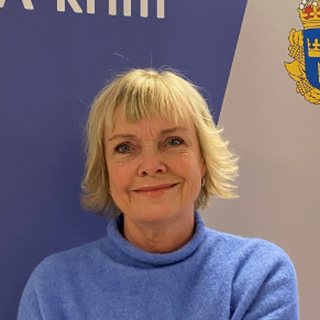
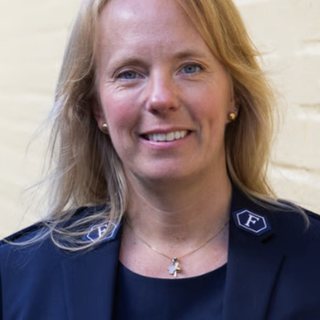
Madeleine SundellMadeleine Sundell is the National Coordinator against Human Trafficking at The Salvation Army Sweden and holds a Master of Laws (LL.M.) with a specialization in Human Rights. She is the co-founder of the Swedish Civil Society Platform Against Human Trafficking and has previously served as Vice Chair of ECPAT Sweden. Madeleine also serves as one of Sweden’s experts in the Council of Europe’s network of specialized lawyers supporting victims of human trafficking.
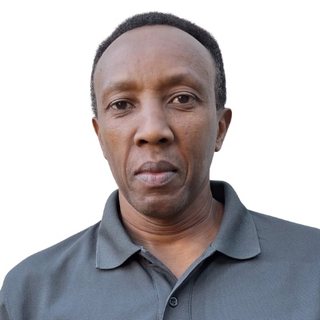
Jan AustadSenior Adviser at the Norwegian Ministry of Justice and Public Security. He brings a greeting to the conference in Oslo and joins the panel.
Dr. Natalia OllusDirector of HEUNI, the European Institute for Crime Prevention and Control (affiliated with the United Nations), Finland: a leading Nordic researcher on human trafficking, forced labour and the exploitation of migrant workers.
Lars MamenManaging Director of Fair Play Bygg Oslo og omegn, Norway: a joint labour–employer initiative that uncovers work-related crime in the construction sector and reports it to the authorities.
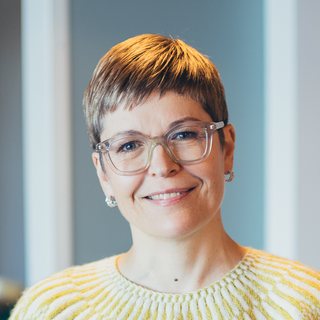
Anni LietonenResearcher at HEUNI, Finland, working on human trafficking, labour exploitation and the responsibility of businesses. Co-author of Safety for all?, HEUNI's study of remedy for exploited migrant workers in the Nordic region. She speaks on high-risk sectors and the warning signs of labour exploitation in construction, cleaning and agriculture.
Magdalena Lennmarken and Helena LansMagdalena Lennmarken, Police Inspector, and Helena Lans, expert, The Secretariat for Inter-Agency Cooperation, The National Operations Department (NOA), the Swedish Police. Both have around 20 years of experience of combating organised crime in different Swedish authorities, Helena from an economist background and Magdalena from policing.
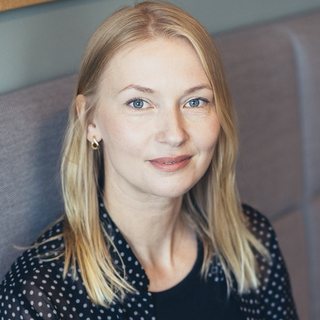
Cecilia NilssonManager of The Salvation Army Safe Havens Trafficking Centre, which focuses on supporting survivors of human trafficking and exploitation in accessing their rights, in collaboration with law firms specialising in criminal law and asylum law. She is a social worker and experienced manager with a background in the non-profit sector, building strong collaborations and partnerships, and combines social impact leadership with previous business experience. Committed to strengthening the legal protection of victims and ensuring that their rights, dignity and individual needs remain at the centre of every response.
Noemi KadasNoemi Kadas is a criminal defence lawyer at Brottsbyrån in Stockholm, representing clients as defence counsel, counsel for injured parties, and frequently as a Special Representative for victims. Brottsbyrån is also a long-standing core partner of The Salvation Army Safe Havens Trafficking Centre.
Good practice from Sweden
Safe Havens Trafficking Centre
The Salvation Army's Safe Havens Trafficking Centre assists individuals affected by human trafficking through coordinated social support, rights-based information, and legal guidance. In collaboration with the specialized law firm Brottsbyrån, clients can access expert legal counsel and representation to help safeguard their rights and interests. Since its establishment in 2018, the programme has assisted approximately 100 potential victims of trafficking annually.
One of its most significant successes was a landmark labour exploitation case involving a restaurant in the Stockholm region. The close collaboration between The Salvation Army's Safe Havens Trafficking Centre, its safe house services, and the lawyers and court-appointed special representative played a crucial role in achieving a successful outcome. The case became one of the first labour exploitation cases in the Stockholm region to demonstrate the impact of coordinated victim support, safe accommodation, and specialized legal assistance, highlighting the importance of a multidisciplinary approach in combating human trafficking and labour exploitation.